How your lost bag is for sale in Alabama
Every day, thousands of people travel to Scottsboro, Alabama, to explore the wares at a store called “Unclaimed Baggage”, the only retailer in the United States that resells luggage lost by travellers and never reclaimed. While more than 99.5 percent of checked bags are eventually returned to their owners, the rare suitcases that are left behind after 90 days are purchased from airlines and brought here. Their contents are sorted, cleaned, appraised, and priced at up to 80 percent below retail, giving them a second life through sale, donation, or recycling.
In 2024 alone, roughly 500 million checked bags moved through U.S. airports, alongside billions of carry-ons. Unclaimed Baggage also works with bus lines, trains, hotels, and rental car companies, contributing to the more than 7,000 newly added items that appear on the store’s floor each day. Spread across 50,000 square feet, the inventory ranges from everyday clothing and electronics to luxury brands and sentimental items.
Founded in 1970 by Doyle Owens, who bought his first load of lost bags with a borrowed truck and $300, the store has grown into a shopping destination drawing more than one million visitors annually. Shoppers describe the experience as a treasure hunt, fueled by curiosity and chance. Beyond retail, the company emphasizes stewardship. About one-third of items are donated through its charitable foundation, while others are recycled. As staff note, the work is less about loss and more about what follows it: rediscovery, reuse, and being found.
Source: BBC

Golden Retrievers break world record
More than 2,000 people and their golden retrievers gathered in Buenos Aires to set a new world record for ‘the largest meetup of the breed’. The event took place at Bosques de Palermo, a sprawling urban park in one of the city’s most popular neighbourhoods, thousands of golden retrievers arrived wearing bandanas, bows, baseball hats, and even a Lionel Messi jersey.
The gathering far surpassed the previous unofficial record of 1,685 golden retrievers, set in Vancouver last year. With the help of ten volunteers, organizers counted 2,397 dogs in attendance. The event was led by Fausto Duperré, a 28-year-old actor who shares social media content about his own golden retriever, Oli. Inspired by a smaller meetup he attended in Barcelona several years earlier, Duperré worked with his friend Flavia Fittipaldi and local officials to secure permission for a record attempt in Argentina.
Photos and videos from the sunny day show people of different ages and backgrounds coming together around a shared affection for the breed. Some attendees travelled long distances to take part. The atmosphere was lively, with barking reportedly audible from miles away.
For many attendees in Buenos Aires, the event was about far more than records. As one participant explained, dogs are deeply valued companions who stand by people through both joyful and difficult moments.
Source: Smithsonian Magazine
Why you should be bathing at night
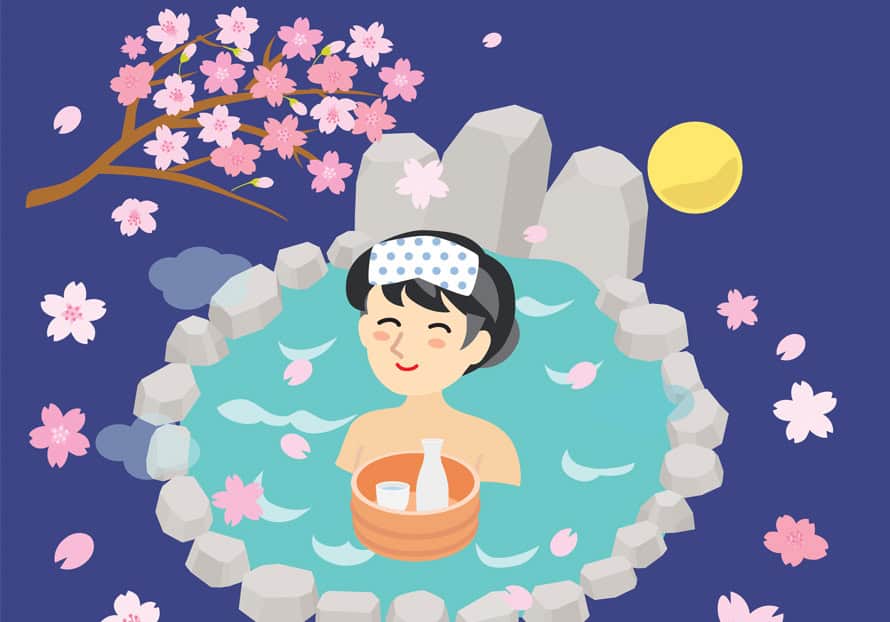
In Japan, bathing at night is not merely a matter of hygiene, it is a deeply embedded cultural practice centered on restoration, mindfulness, and respect for the body. Unlike the functional showers common in many Western societies, Japanese nighttime bathing emphasizes slowing down and preparing both body and mind for rest.
The key lesson to be learned is the separation of washing and soaking. The body is thoroughly cleaned before entering the bath. This allows for the bath itself to remain a place of relaxation rather than cleansing. It’s a ritual that reinforces intentionality and care, and turns bathing into a calming transition from the demands of the day to the quiet of the evening.
Japanese baths are typically taken at night because of their proven benefits for sleep quality. Soaking in warm water raises body temperature, and the gradual cooling afterward signals the body that it is time to rest. This practice supports circadian rhythms, reduces muscle tension, and helps alleviate stress accumulated throughout the day.
Additionally, the long-standing Japanese tradition of nighttime bathing reflects a much broader cultural value placed on balance and well-being. It is viewed as a form of self-respect, not indulgence. From the Japanese perspective, bathing is an essential act of daily renewal; one that reminds us that rest, routine, and intentional pauses are critical to a person’s wellness and long-term health and resilience.
Source: Upworthy
Images: Joanna Huang. Jessica Parrillo. iStock.