If you don’t know where the Faroe Islands are, you’re not alone.
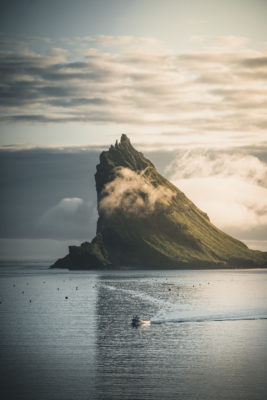
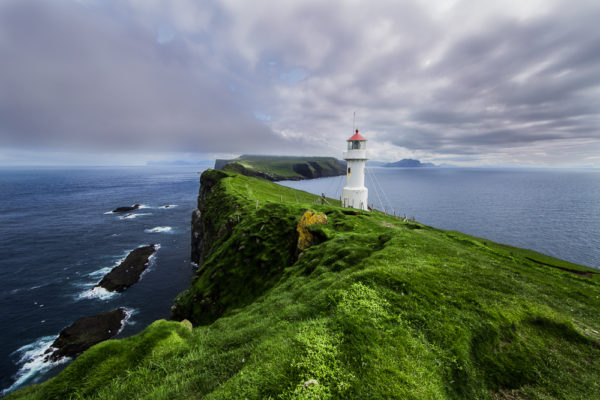
An archipelago of 18 jagged volcanic islands, the Faroe Islands resemble a handful of rocks scattered haphazardly in the deep-sea ocean halfway between Iceland and Scotland in the North Atlantic Ocean.

Stepping back in time
It’s believed the islands were settled as early as the year 300, but inhabitants can only be officially traced back as far as the Irish monks of the 6th century. Today, Faroe is self-governing under the sovereignty of Denmark but not a member of the EU. Its population of 52,000 is spread out across the 17 inhabited islands, which are connected by a network of roads, tunnels and ferries. The main industry is fishing which accounts for approximately 90 per cent of exports and about 20 per cent of GDP.

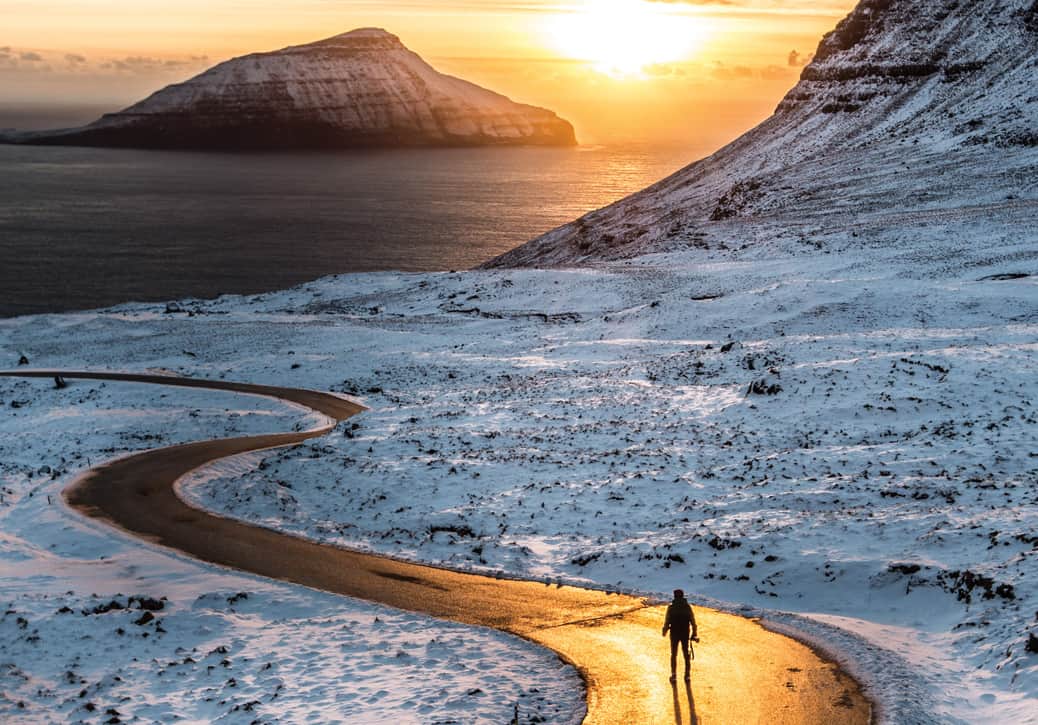
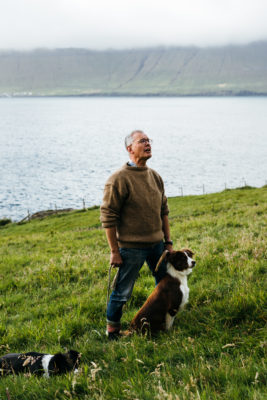
But for many who venture here, the attraction is the hiking and birding. Most routes are along old village paths once used for visiting, trading or carrying the coffins of the dead to the nearest church. Still marked with piles of stones called cairns as landmarks to guide the way, they lead through farmers’ fields, (some landowners charge for access) and colourful small villages. It’s a chance to meet locals, feel the wind in your hair and see the island’s green mountains, mysterious fog and a selection of over 1000 varieties of resident and migrating birds.
Most recently, however, authorities have enforced the use of local tour guides to minimize the footprint of and educate vacationing tourists.

Grass on the roof
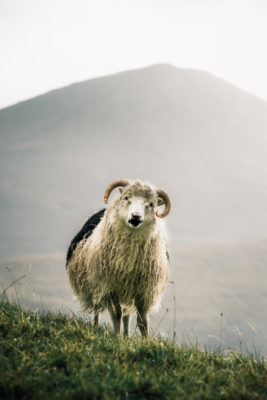
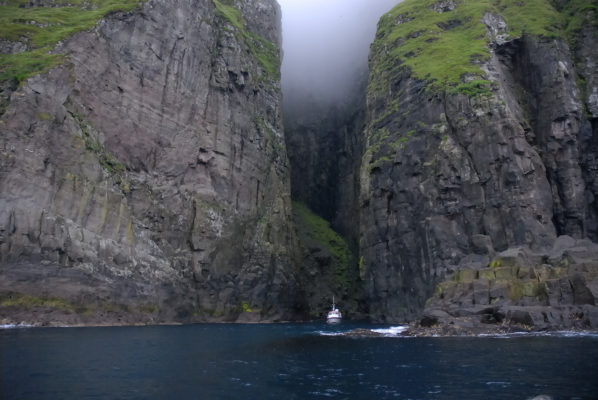
Referred to as “Europe’s best kept secret,” the Faroes are like no other: an idyllic escape, peacefully set among lush green valleys with imposing basalt cliffs, raw treeless moorlands and plunging waterfalls. The Faroese people live with a wonderful blend of isolation, robustness and reserve, but they welcome visitors with open arms, genuineness and warmth. Expect shaggy sheep to be grazing on grass that grows on the roofs of hobbit-like houses and highly changeable weather that simply adds to the charm. Locals say you can, “hold out both palms and you might feel snow falling on one and sun shining on the other.”

On the menu
Initially led by Chef Leif Sørensen and more recently by the chef at 2-star Michelin-star restaurant KOKS, Poul Andrias Ziska, local restaurants are celebrating the islands age-old custom of utilizing every bit of every fish caught, every mammal slaughtered, and every bird netted.
At aptly named “Ræst,” one of the newest restaurants to open, there’s fermented cod, fermented lamb intestines and fermented colon on sauerkraut, mustard and croutons.
Ræst is a traditional fermentation process of drying and aging meat and fish outdoors under ideal temperature and wind conditions and is still practiced. (Too much heat or wind will render it tasteless). As barely anything grows above ground, turnips, beets, radishes, swede, potatoes, carrots and Jerusalem artichokes are the vegetables produced by the islands’ farmers, along with greenery from herbs such as angelica and sorrel, and wild plants like sea purslane, cuckoo flower and reindeer lichen.
Other new restaurants include a grill house called The Tarv, and Skeiva Pakkhús, located close to the harbour in Tórshavn, the capital city where most people live.

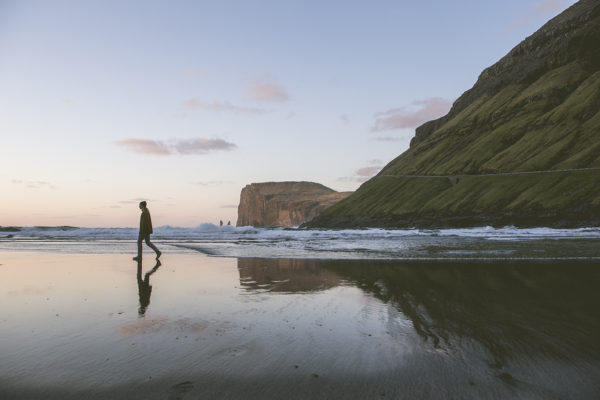
The decidedly slow pace of life on the islands lends itself to hospitable kinfolk and laid-back living for some but for others, the islands are an adrenaline junkie’s dream, with no shortage of fast-paced activities on land and sea. And, getting here is half the fun… take a non-stop flight from a variety of dream destinations, such as Copenhagen, Paris and Reykjavik. Or, take a ferry from Iceland or Denmark to experience slow travel at its best!