The Brandy Thief, a 17th century rough stone, self-catering coastal cottage, located in the village of Lee, a few miles west of Ilfracombe in North Devon, has been featured in a number of high-end interior design magazines.
Today, after incarnations as a tea room and a private home, the three-bedroom cottage is available for bookings via holiday rental agencies serving the luxury market. Located on the edge of Lee Beach and the South West Coastal Path, The Brandy Thief couldn’t be any closer to the water. The private front lawn with its incredible sea views, is a magical spot for afternoon tea, evening stargazing or telling tales of the regions ‘smuggling past.’
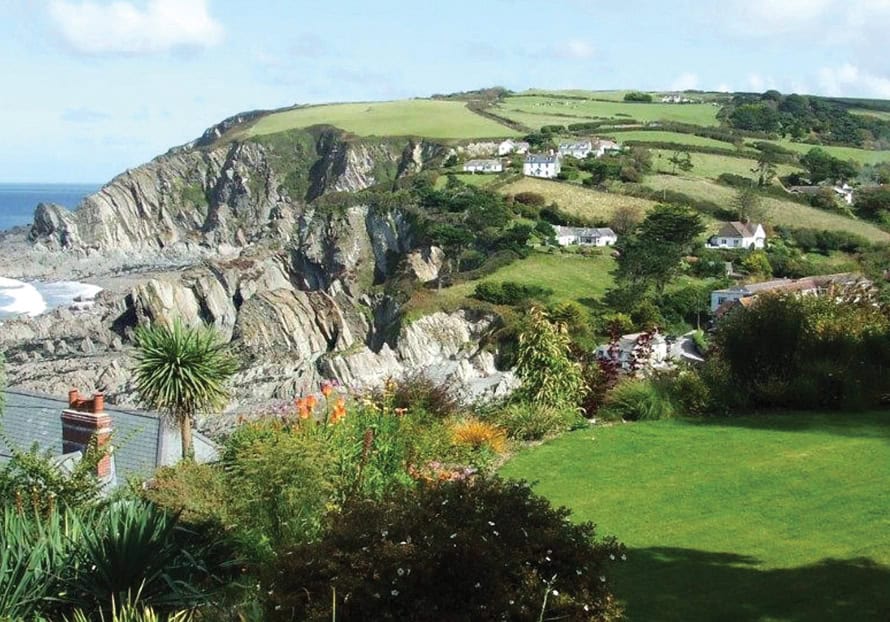
As local lore would have it, the rugged coastal area where this historic cottage lies, was a dangerous and vibrant haunt for bootleggers of brandy, gin, tea and tobacco in the 18th century’s “golden age of smuggling.” During this time of high taxes on imported goods like brandy, sophisticated, large-scale illicit trade networks that involved both organized groups from various social classes and gentry, used hidden compartments on boats, or in easy to drop nets underneath skiffs to traffic illicit goods from continental ports like Calais, Ostend and Dunkirk.
The sheltered cove the boats used was only accessible through a small channel between craggy rocks and the valleys beyond were cut off from the rest of the world by steep hill, winding paths and isolated farms. Locals could willingly join gangs to work as lookouts, cargo-handlers and rough and ready transporters who used pack-horses to take the cheaper goods inland for sale. It was for these reason that the quieter coastal shores attracted notorious, Cornwall native Hannibal Richards, who became the region’s best-known smuggler. Richards who was 6 foot tall with long black hair and a sordid reputation, married a tiny local girl, 5 foot tall, Jane Gammon. While he was never caught, he was well-known to authorities and was linked to “Brandy Thief Cottage”, likely because it overlooked the bay.
Historic records suggest that Richards spent 60 years, until his death in 1849, operating landings in the Lee Bay area and stored his contraband in shore caves and farm sheds away from the prying eyes of the law. Worth noting… the origin of the modern-day coastguard, in the form of a “riding officer”, came into being during this time. The officer’s job was to patrol and guard the coast from smugglers.
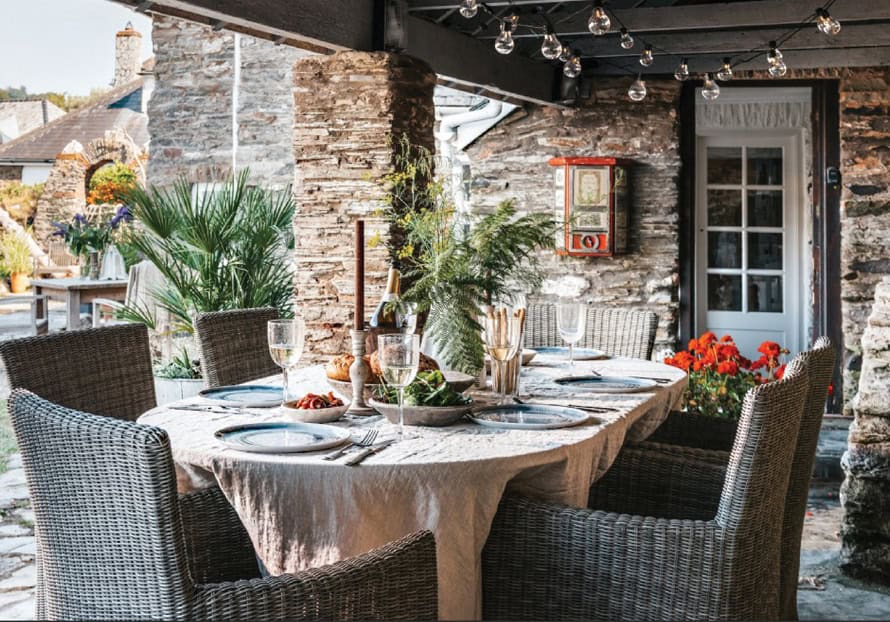
To this day, the charming stone house has retained its seafaring character despite tasteful updates. Renovated into a serene, characterful family home with low-beam timber rafters, jute-lined and original floorboards, stone floors. The well-equipped kitchen includes a SMEG fridge, oven and ceramic hub, Nespresso coffee machine and washer dryer and a leather studded armchair. There’s also an antique rolltop bath, a master bedroom with a super king-sized bed and ensuite, large inglenook fireplace and seaside-facing windows that make the cottage an even more desirable coastal retreat.

During the flower season, many of the hedgerows are ablaze with scarlet flowers—earning the village the nickname of Fuchsia Valley. A jewel in the local crown, Lee Bay Beach is a designated area of natural beauty 2 miles from another village called Ilfracombe. Guests can also visit the picturesque 100 property village of Lee that’s nearby or walk along wonderful wooded paths.
At the time of printing Brandy Thief may have even turned back into a family cottage as her listing has been taken down from uniquehomestays.com
Around town
While you’re in the area, visit the two charming villages and watch for:
• A cave in a cove where Hannibal Richards kept his look out.
• A farm which became an inn and a chapel that turned cow-shed.
• A cottage serving tea and smuggler stories.
• A lookout used by the coastguard.
• A former post office once manned by a smuggler’s son.
• A bevy of paths, lanes and inland routes for the ultimate escape.
Images: © Unique Homestays www.uniquehomestays.com.
Steve Swain Photography. evergreentravel.co.uk.