Alongside all-inclusive resorts, luxury cruises, safaris, and tastefully curated castle tours, a new niche is emerging in the global travel industry – Dark Tourism, also known as ‘thanatourism’ or black tourism.
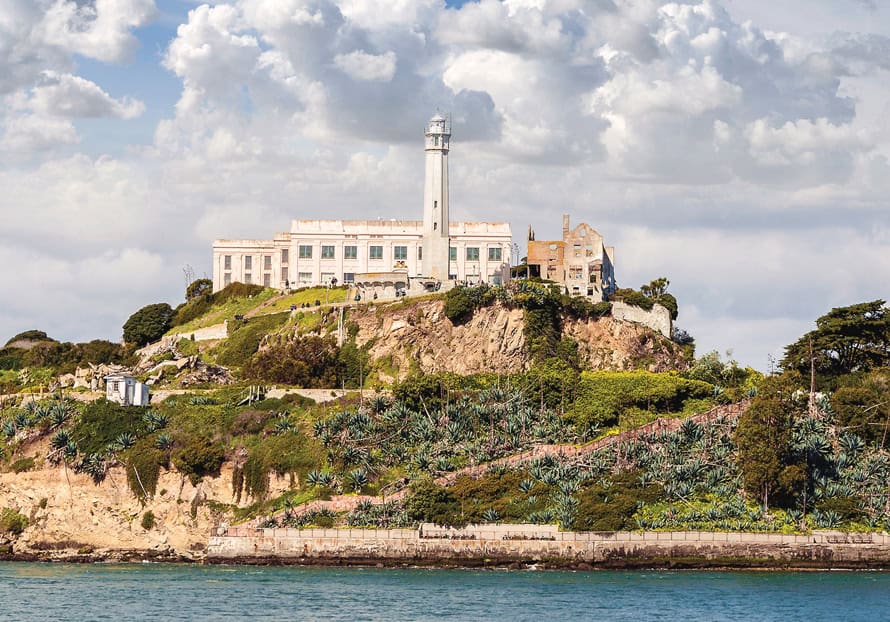
As the name suggests, taking this type of vacation involves visiting specific areas or sites that have experienced a historical event of tragedy, death or suffering. Dark Tourism destinations include: battlefields, cemeteries and crime or murder scenes. Examples include Auschwitz -Birkenau concentration camp, Chernobyl, My Lai Massacre site, Ground Zero, Alcatraz, or the site of Hiroshima.
Death and despair
The sites are visited for reasons related to morbid fascination, educational interests, curiosity or emotional reasons and are designed to evoke strong feelings and reactions. Proponents of black tourism suggest that by confronting sites of great suffering and death the practice contributes to personal growth and well-being. Dark Tourism is also of particular interest to people who are looking to further understand the human condition and the darker side of human history. Sometimes there is also a pursuit that stems from academic interests, but either way it is a practice that invites reflection, which is part of the appeal for many.
Ethics and sensitivity
Not everyone is on board with the practice, however, and many critics have called out dark tourism for the ethical dilemmas it presents. Some feel that tour companies promoting these destinations are commodifying tragedy, and failing to honour the memories of the victims by capitalizing on the events. Others worry about historical accuracy as it is important to ensure events are not being glamorized to sell tickets.
Presenting the sites with appropriate sensitivity and authenticity is crucial. There is also concern for the local communities around these sites who can feel the effects of increased tourism by way of displacement or limited access to resources. Mitigating these concerns involves careful planning of visitor activities. Experts agree community involvement is another aspect that can have great benefits in ensuring sustainability. Done well, increased tourism can also boost local economies with little negative effect on citizens.
Cautionary notes
While disaster, murder and all things frightening are often appealing to the human brain for entertainment reasons—just look at the increased popularity of the gore represented in true crime documentaries. It is also important to recognize the personal impact of focusing on instances of death and despair. Practicing self-care when undertaking dark tourism is crucial, as it is easy to feel disheartened and emotionally low in such an environment. Even more, it is crucial to mindfully reflect on the sites visited and the impact of events in a meaningful manner, after all, it can be easy to be swept up in visiting a spot, and not truly think of the human impact.
Making it meaningful
While there are concerns about Dark Tourism, and why many find it so appealing, we live in a global age where it is possible to visit and bear witness to places that have had an impact on the collective psyche. Dark Tourism can be a meaningful part of the portrayal of world history, and—if appropriate sensitivity is exercised—invites participants to learn and reflect.
Photos: iStock